
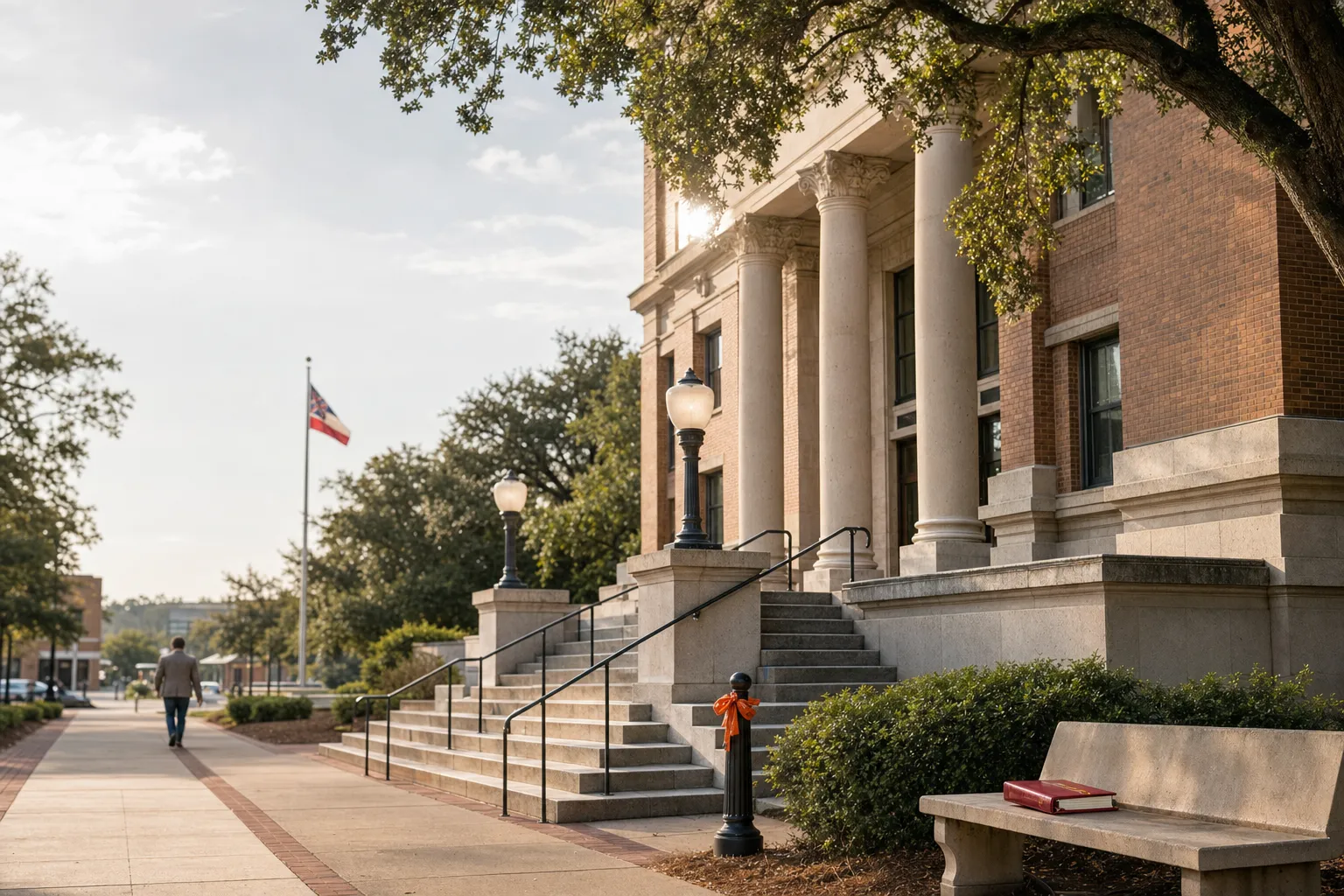
Trial preparation matters because it decides whether a client can present a coherent, persuasive defense in court, and it changes what prosecutors and judges expect at every stage of a case. In the Mississippi State Capitol area, careful preparation affects plea decisions, jury selection, evidence strategy, and sentencing outcomes.
What trial preparation is
Trial preparation is the set of tasks we complete so a case is ready for trial and so the client understands the risks and options. That includes collecting and evaluating evidence, interviewing witnesses, preparing experts, developing a courtroom narrative, and rehearsing testimony and arguments.
We begin preparation long before trial dates appear on the calendar. Preparation starts at arrest or charge and continues through motions, discovery, and pretrial hearings.
Why it matters in the Mississippi State Capitol area
Cases filed near the Mississippi State Capitol and at the Hinds County Courthouse often involve complex evidence and high public attention. Judges and juries in this corridor expect clarity, organization, and credible witnesses. Solid trial preparation makes our arguments easier to follow and helps protect clients rights in local courts.
Preparation also affects negotiations. Prosecutors consider whether a case is trial ready when they decide whether to make a plea offer. When we demonstrate that a case is well prepared, it can change the balance of leverage in negotiations and improve possible outcomes.
Key concepts of trial readiness
- Case theory. A clear, consistent explanation of what happened and why the client should not be convicted.
- Evidence audit. A catalog of available physical evidence, documents, and recordings, and a plan for admitting or excluding each item.
- Witness preparation. Identifying, interviewing, and, when needed, rehearsing testimony with witnesses and experts.
- Legal workup. Filing pretrial motions, preserving issues for appeal, and testing the prosecutor’s case through discovery.
- Jury strategy. Developing voir dire themes and rulings to shape the jury panel.
- Demonstratives and exhibits. Creating organized, courtroom ready exhibits that clarify complex facts.
- Trial logistics. Calendaring deadlines, coordinating subpoenas, and ensuring witnesses appear and testimony flows smoothly.
What we do day by day as part of trial preparation
- Early investigation. We gather police reports, body camera footage, forensic testing results, surveillance, and witness statements. Early review often reveals weaknesses in the state’s case.
- Discovery review. We subpoena and analyze prosecution discovery, request additional material where needed, and look for Brady material that must be disclosed.
- Legal research and motions. We research suppression issues, file motions to exclude unreliable evidence, and preserve issues for appeal.
- Witness work. We locate, interview, and prepare witnesses, and arrange experts when technical or scientific testimony is required.
- Mock examinations and timelines. We build timelines and run mock direct and cross examinations so testimony is concise and credible.
- Trial exhibits and demonstratives. We organize exhibits for admission and prepare demonstratives that simplify complex evidence for a jury.
- Coordination and logistics. We manage subpoenas, coordinate schedules with courts in Hinds County and nearby jurisdictions, and confirm courtroom technology and exhibit handling.
Common questions people ask about trial preparation
Below are the questions we hear most often from clients and families in Jackson and the surrounding counties.
Essentials we review with every client
- What the prosecutor must prove and the weaknesses we can exploit
- Which witnesses are available and which need expert support
- What evidence the defense can introduce and how to authenticate it
- Risks of testifying versus relying on other defenses
- Possible sentencing ranges if convicted and the collateral consequences to plan for
Trial preparation versus plea preparation
| Prepared for trial | Prepared for plea negotiations |
|---|---|
| Full evidence audit, witness lists, motions to suppress, mock testimony, and readiness to proceed to jury. | Focused negotiation file, vulnerability analysis, mitigation package, and realistic sentencing estimates to present to the prosecutor. |
How trial preparation changes by charge and evidence
Not every case needs the same level of preparation. A misdemeanor contested in Jackson Municipal Court looks different from a felony trial at the Hinds County Courthouse. For example, cases involving forensic testing or drug lab reports require expert review and often independent testing. Violent crime cases may require witness protection planning and more extensive jury research.
We tailor our work to the charge and the evidence, whether the matter falls under our felony defense practice or is a DUI matter with scientific test results to challenge. Learn more about how trial work intersects with other parts of a case in our Criminal Court Process resource and on our Criminal Justice Attorney service page.
Relevant internal links: Trial Preparation topics, Criminal Justice Attorney service, Criminal Trial Representation, Criminal Court Process, DUI Defense.
Practical markers of good trial preparation
- Written timeline that every team member can follow.
- Signed witness summaries and clarity about expected testimony.
- Filed motions that preserve legal arguments for appeal.
- Organized exhibits and demonstratives ready for courtroom presentation.
- Clear client coaching about courtroom conduct and the decision to testify.
How clients can help without doing the legal work themselves
Clients play an essential supporting role in trial preparation. Useful contributions include providing names of witnesses and contact information, sharing documents and phone records, supplying receipts or calendars that support an alibi, and being candid about prior records. We use that information to build timelines, identify witnesses, and prepare cross examination strategies.
We do not ask clients to handle subpoenas, to copy discovery, or to perform investigations that require legal or safety expertise. Those tasks are part of our practice and require training and legal protections.
Related services we provide
Trial preparation is part of how we handle the full range of criminal matters. Depending on the case, we draw on related practice areas such as felony defense and specialized DUI work. Each service brings specific experience in evidence, sentencing, and courtroom strategy.
Related locations and how local courts affect preparation
We serve clients across Jackson, Hinds County, Madison County, Rankin County, and the greater Jackson metro. Each courthouse has its own procedures and calendar practices. Preparing for a trial near the Mississippi State Capitol often means coordinating with the Hinds County Clerk, understanding local judge preferences, and arranging witness travel when necessary.
For more on where cases move and what to expect, see our locations hub that lists the courthouses and jurisdictions we regularly appear in.
Related location link: Locations hub.
Helpful resources and outside references
For readers who want independent background on evidence and trial practice, consider the American Bar Association for practical litigation resources, the Legal Information Institute at Cornell for primers on evidence, and the U.S. Bureau of Labor Statistics for career and occupational information about lawyers. These organizations publish neutral, useful material on how trials work and what to expect from legal professionals.
Selected external references: American Bar Association litigation resources, Legal Information Institute evidence overview, Bureau of Labor Statistics lawyers page.
We prioritize clear, step by step communication so clients and families understand the process and what to expect at every stage.
Key takeaway
Thorough trial preparation shapes outcomes. It clarifies the strengths and weaknesses of both sides, improves the quality of witness testimony, and influences negotiation leverage. We prepare every case as if it may go to trial to protect clients options and to present the strongest possible defense in court.
Frequently asked questions
When does trial preparation start?
Preparation starts at arrest or charge. Early work includes investigating the facts, preserving evidence, and requesting discovery. The sooner we begin, the more time we have to develop a strong defense.
How long does trial preparation take?
The time required varies with the complexity of the case. Simple misdemeanors can be ready in weeks, while complex felony trials often take months of investigation, expert work, and motions practice.
Will we work with experts?
Yes, when the case involves specialized evidence such as toxicology, ballistics, or digital forensics, we retain appropriate experts to review the work and to testify if needed.
Do clients have to testify?
No. We discuss the advantages and risks of testifying and help clients decide based on legal strategy. The decision is a joint one that considers credibility, prior records, and the expected effect on sentencing if convicted.
How does trial preparation affect plea negotiations?
Strong preparation can improve negotiation outcomes. When the prosecution sees a case is ready for trial, they may offer different terms than they would if the case appears poorly developed.
Learn more and read our reviews
Read Google reviews and directions on our Google Business Profile to get a sense of how we work with clients in Jackson and nearby counties. For more information on how criminal cases move through court, see our Criminal Court Process page and our Trial Preparation topic.
Home · Trial Preparation topic · Our criminal justice attorney service